Heating Elements for Electric Furnaces
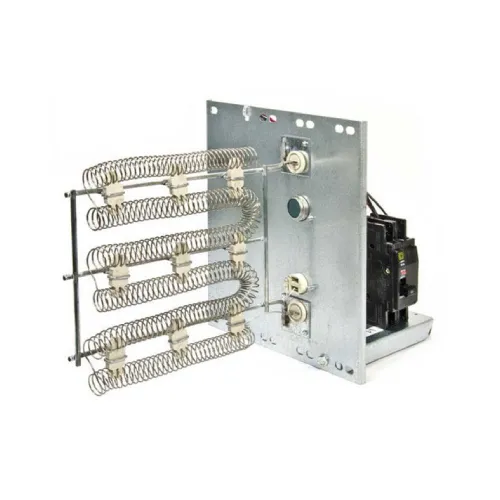
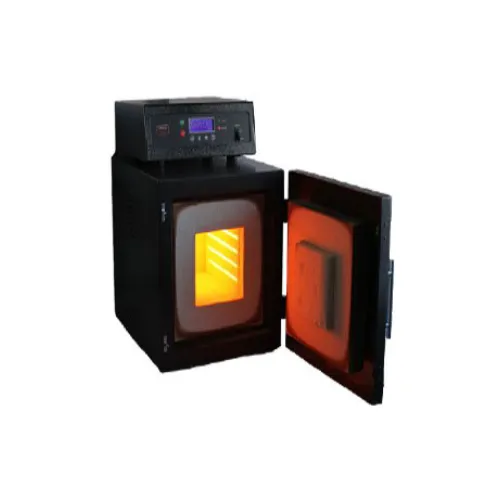
Heating Elements are the resistance-based components that convert electrical energy directly into heat within electric furnaces, heat treatment chambers, laboratory furnaces, and sintering kilns. The selection of the correct heating element material is the single most important factor in electric furnace performance — element material determines maximum operating temperature, atmosphere compatibility, element life, and total furnace operating cost. Imperial World Trade supplies heating elements in all major resistance materials for industrial and laboratory electric furnace applications globally.
- Kanthal (FeCrAl) Elements: Wire, strip, and coil form elements for temperatures up to 1,400°C in oxidizing atmospheres; the most widely used industrial heating element material.
- Nickel-Chrome (NiCr) Elements: Wire and ribbon elements for lower temperature applications up to 1,200°C; excellent oxidation resistance and forming flexibility.
- Silicon Carbide (SiC) Elements: Rod and tube form elements for temperatures up to 1,600°C; suitable for oxidizing, neutral, and mildly reducing atmospheres.
- Molybdenum Disilicide (MoSi₂) Elements: Ultra-high temperature elements for furnace zones up to 1,800°C in oxidizing atmospheres; preferred for sintering and glass melting applications.
- Graphite & Carbon Elements: For vacuum furnaces and inert atmosphere applications requiring temperatures above 2,000°C.
- Custom Winding Configurations: Elements supplied in straight rod, U-shape, W-shape, and custom-wound configurations to match existing furnace element holder geometry.
Imperial World Trade supplies heating elements with full material grade certification and dimensional specifications, ensuring direct compatibility with your existing furnace design and the temperature and atmosphere requirements of your specific heat treatment process.