Soil Compactor
Soil compactors are critical machines used in construction and infrastructure development to ensure ground stability and load-bearing strength. Proper soil compaction is essential before building foundations, road surfaces, embankments, and industrial flooring. Without adequate compaction, structures are at risk of settlement, cracking, and long-term failure.
At Imperial World Trade Pvt. Ltd., we supply soil compactors designed for reliable performance across varied soil conditions and project environments. Our focus is on supplying machinery that meets technical requirements, delivers consistent compaction results, and supports long-term project durability.
What Are Soil Compactors?
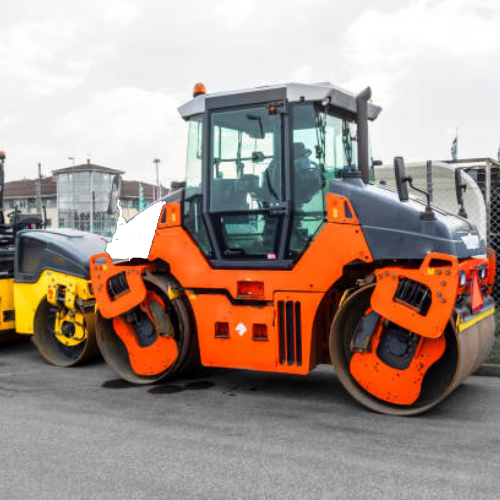
Soil compactors are heavy construction machines used to compress soil, gravel, sand, and aggregate layers to achieve required density levels. Compaction removes air voids between soil particles, increasing strength and reducing future settlement.
Compaction is a foundational step in construction and infrastructure projects. Whether it is a highway, industrial facility, or residential structure, proper soil preparation ensures that the surface can support structural loads over time.
Different soil types require different compaction methods. As a result, soil compactors are designed with varying drum types, weights, and vibration mechanisms to suit specific ground conditions.
Types of Soil Compactors We Supply
Imperial World Trade supplies soil compactors suitable for a wide range of applications and soil conditions.
Smooth drum soil compactors are commonly used for granular soils such as sand, gravel, and crushed stone. These machines apply static weight and vibration to achieve uniform density and are widely used in road construction and base preparation.
Padfoot or sheepsfoot compactors are designed for cohesive soils such as clay and silt. Their raised pads provide a kneading action that breaks down soil clumps and improves compaction at deeper layers.
Pneumatic tire compactors use multiple rubber tires to apply uniform pressure across the surface. These compactors are often used in asphalt work and mixed soil conditions where even surface compaction is required.
Each type of soil compactor is selected based on soil composition, moisture content, and project specifications.
Benefits of Using Soil Compactors
Soil compactors play a key role in improving construction quality and reducing long-term maintenance costs.
Proper compaction increases soil strength and load-bearing capacity, allowing structures to remain stable over time. It also reduces the risk of uneven settlement, surface cracking, and deformation.
Using the right soil compactor improves construction efficiency by reducing rework and ensuring compliance with engineering standards. Well-compacted surfaces provide a strong base for roads, pavements, and foundations, extending their service life.
Soil compactors also help achieve uniform density across large areas, which is essential for large-scale infrastructure and industrial projects.
Applications of Soil Compactors
Soil compactors supplied by Imperial World Trade are widely used across multiple sectors.
They are commonly used in road and highway construction to prepare subgrades and base layers. Infrastructure projects such as bridges, airports, and industrial zones rely on soil compactors to ensure ground stability.
Soil compactors are also used in foundation preparation for residential, commercial, and industrial buildings. Land development, embankment construction, and public works projects also depend heavily on effective soil compaction.
Technical Considerations When Selecting a Soil Compactor
Choosing the correct soil compactor is essential for achieving effective compaction and project efficiency.
Key factors include soil type, layer thickness, moisture content, and required compaction depth. Terrain conditions, available working space, and project scale also influence compactor selection.
Operating weight, drum width, vibration frequency, and travel speed must be matched to site conditions. Selecting an unsuitable compactor can result in inadequate density or excessive passes, increasing fuel consumption and project time.
Our team assists buyers in evaluating these technical factors to ensure the soil compactor supplied aligns with real-world operating requirements.
Contact Us for Soil Compactor Supply
Proper compaction is the foundation of every successful construction project. Our team is available to assist with soil compactor selection, technical specifications, export coordination, and pricing.