Rotary Tiller

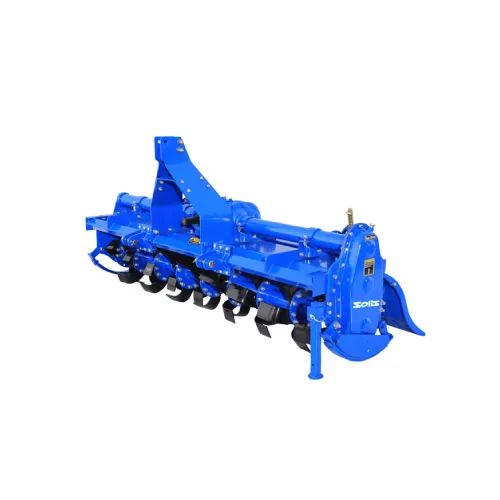
The Rotary Tiller — also widely referred to as a rotavator — is a powered tillage implement that uses a PTO-driven rotor fitted with hardened L-shaped or C-shaped blades to simultaneously cut, pulverise, and mix the soil into a fine, uniform seedbed in a single field pass. Unlike passive implements that rely solely on forward motion for soil disturbance, the rotary tiller’s powered rotor delivers controlled, aggressive soil fragmentation that produces seedbed fineness and uniformity that disc or tine implements simply cannot achieve in a comparable number of passes. Imperial World Trade supplies rotary tillers for paddy field preparation, vegetable cultivation, orchard floor management, and general seedbed preparation across diverse agricultural systems.

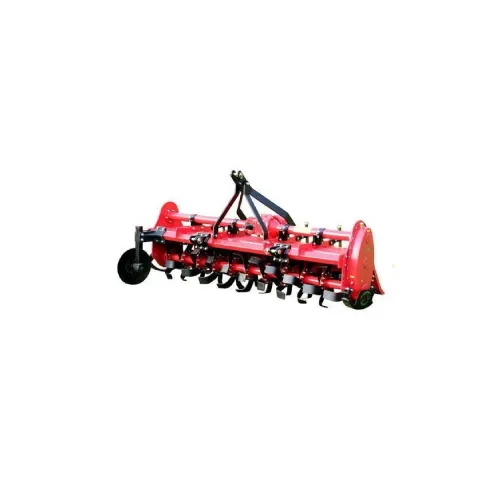
  • Rotor Blade Types: L-shaped blades for general tillage and seedbed preparation; C-shaped (pick) blades for hard, dry, and stony soil conditions requiring more aggressive initial soil fracture.
  • Working Width Range: Available from 1.0 metre to 3.0 metres working width to match small two-wheel tractor through to high-horsepower four-wheel drive tractor power ratings.
  • PTO Speed Compatibility: Designed for standard 540 RPM and 1000 RPM PTO output speeds with gear ratio selection matching rotor speed to soil condition requirements.
  • Adjustable Working Depth: Rear roller or skid shoe depth control allows precise working depth setting from 100mm to 250mm depending on tillage objective and crop requirement.
  • Rear Crumble Roller: Integrated rear-mounted crumble roller simultaneously breaks remaining clods and firms the seedbed surface for direct seeding after a single rotary tiller pass.
  • Gearbox Protection: Shear bolt or slip clutch overload protection system preventing gearbox and driveline damage when rotor blades contact buried rocks or hard obstructions.

Imperial World Trade supplies rotary tillers with hardened blade sets, full gearbox specification data, and PTO compatibility information, ensuring correct implement selection for your tractor model, soil conditions, and seedbed quality requirements before the implement is dispatched.